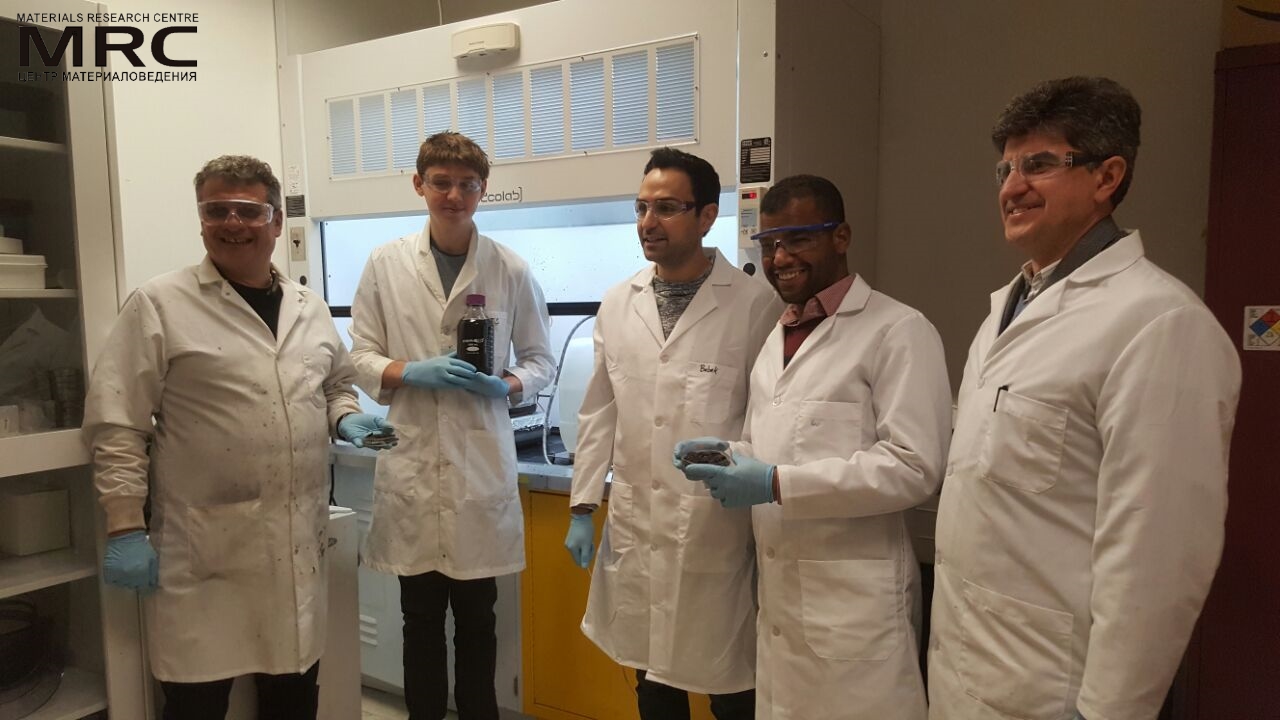
Materials Research Centre (MRC, Kiev, Ukraine) in cooperation with Drexel University (Drexel University, Philadelphia, USA) designed and produced the first in Ukraine functional sample of dye-sensitized solar cell
Materials Research Centre (MRC, Kiev, Ukraine) in cooperation with Drexel University (Drexel University, Philadelphia, USA) designed and produced the first in Ukraine active sample of dye-sensitized solar cell
Materials Research Centre (MRC, Kiev, Ukraine) in cooperation with Drexel University, Philadelphia, USA designed and produced the first in Ukraine functional sample of dye-sensitized solar cell.
Batteries of this type have a simple structure, they consist of two electrodes, electrolyte and organic dye as a photosensitizer. One of the electrodes consists of a nanosized dye-saturated titanium dioxide (TiO2), deposited on a transparent conductive substrate. Other electrode is transparent substrate covered with a thin transparent layer of conductive material (ITO, Pt, etc.). Such batteries are promising alternative source of energy, since they don't require expensive materials and sophisticated equipment for their producing unlike to the silicon solar cells.
Prototypes of these solar cells created using nanomaterials by technologies developed in the laboratories of the Materials Research Centre and Drexel University from a raw materials of Ukrainian production. Now our researchers are working on improving the properties of materials used for completing solar cells for further increasing their efficiency. Photoelectochemical systems on the base of nanocrystal wide bandgap oxide semiconductors sensitized by different types of dyes have the great potential to become an economically and commercially avaible for conversion and using of solar energy. Advantages of the photoelectochemical cells over conventional solar cells are following: 1) they don’t need ultra-pure substances; 2) they consist of low-cost materials and they are produced by processes that have little environmental impact; 3) they achieve reasonable efficiencies which are expected to improve by systematic research. There is a flexibility in the choice of material for each component, allowing the properties to be adjusted and optimised for practical applications.
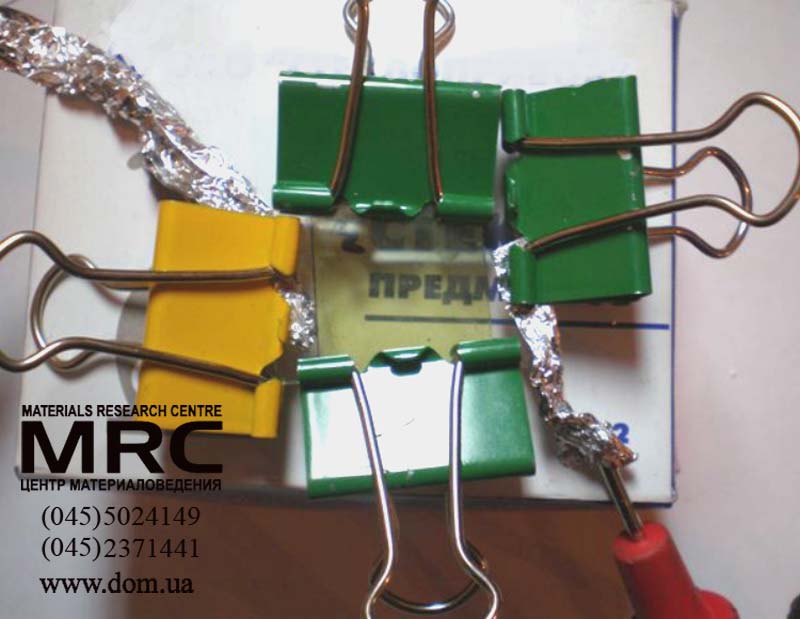
Dye solar cell. Dye – Chloriphile
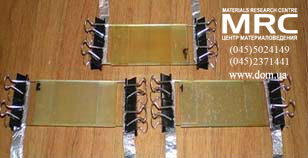
Dye solar cells at different dyes. 1) 2-methylindoline, 2) indoline, 3) Chloriphile
Testing of Dye Solar cell
Measurements of volt-ampere characteristics of electrolytic solar cell in voltage dependence on light intensity of the 200W lamp.
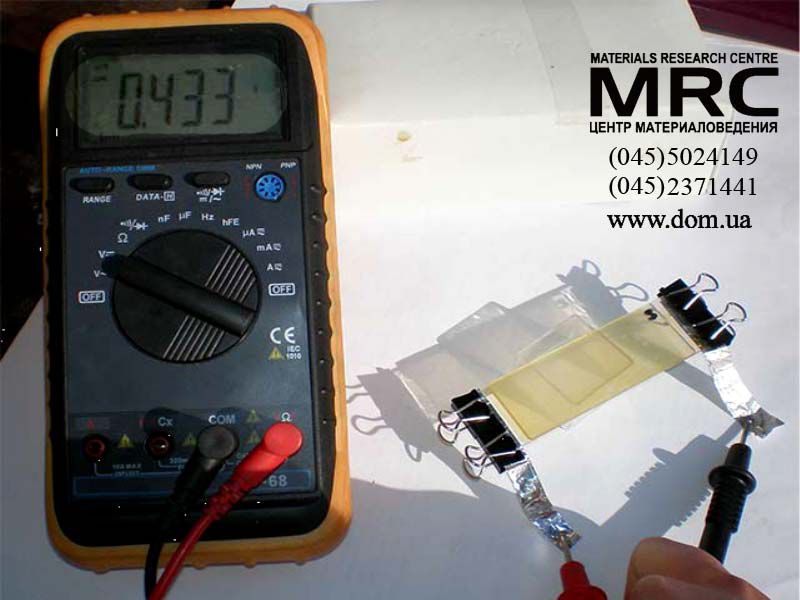
Experiment of measurement of voltage on the plates of electrolytic solar cell under solar light in the winter.
Researchers described a process by which nanodiamonds — tiny diamond particles 10,000 times smaller than the diameter of a hair — curtail the electrochemical deposition, called plating, that can lead to hazardous short-circuiting of lithium ion batteries...
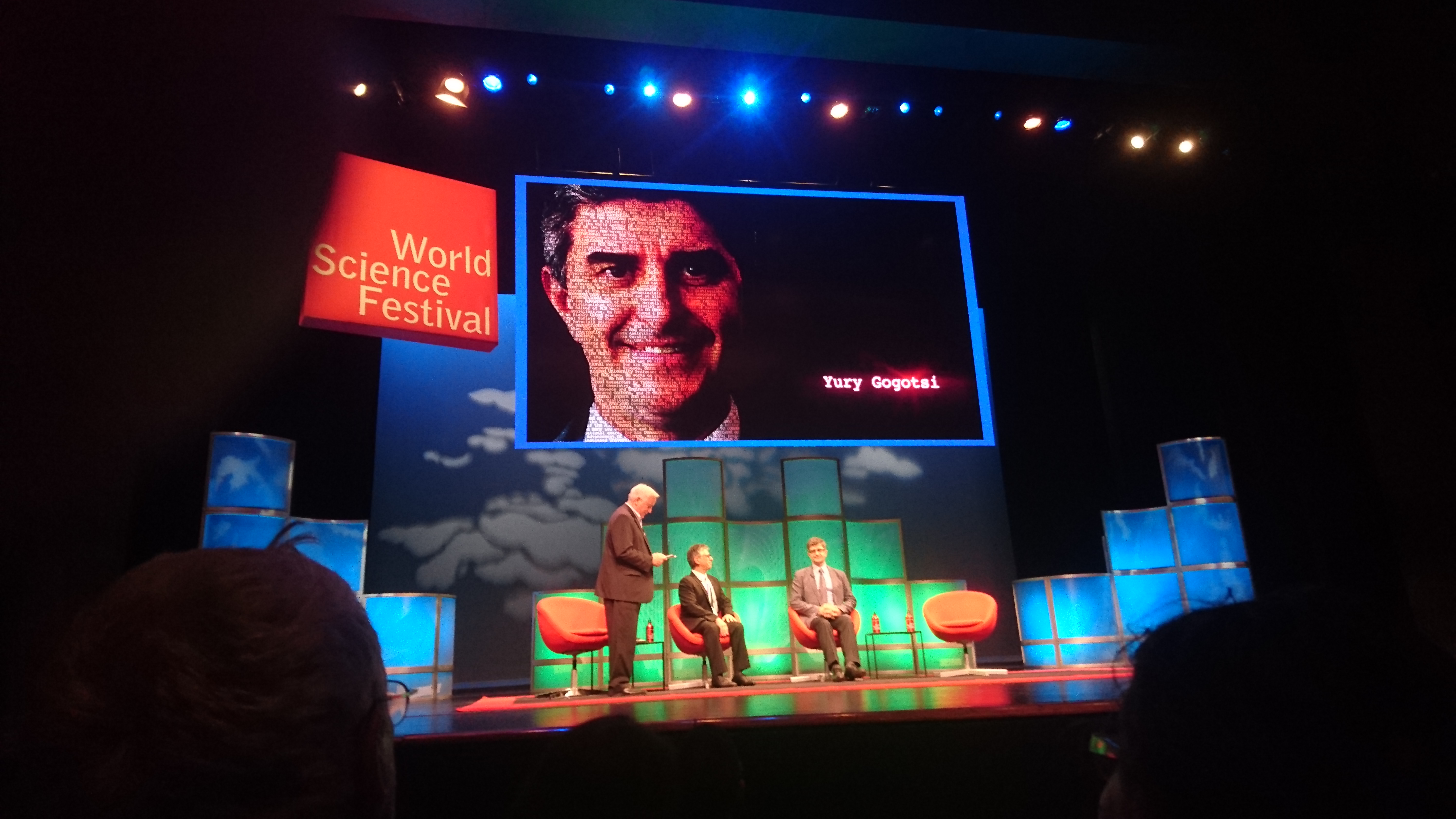
Join world-class nanoscientists and environmental leaders to explore how the capacity to harness molecules and atoms is accelerating spectacular inventions — including light-weight “wonder materials,” vital energy-storage technologies, and new sources of renewable energy — which promise to redefine the very future of energy...
It’s been just over five years since researchers in Drexel’s Department of Materials Science and Engineering reported on a new, two-dimensional material composed of titanium and carbon atoms, called MXene...
It’s been just over five years since researchers in Drexel’s Department of Materials Science and Engineering reported on a new, two-dimensional material composed of titanium and carbon atoms, called MXene...
Ученый расскажет, как сочетаются инновации и фундаментальные исследования, сколько будут работать традиционные батарейки и аккумуляторы в будущем и какими будут источники света.
Группа исследователей из Университета Дрекселя и Корейского института науки и технологий работает над очисткой от таких электромагнитных помех с помощью нанесения на компоненты тонкой защитной пленки наноматериала под названием Максин.
Photos of the projects implemented by MRC TM "ДОМ", as well as articles and videos are published under the Creative Commons Attribution — with preservation of terms (Attribution-ShareAlike) 3.0 Unported. You can freely copy, distribute, modify the materials with link to the author.